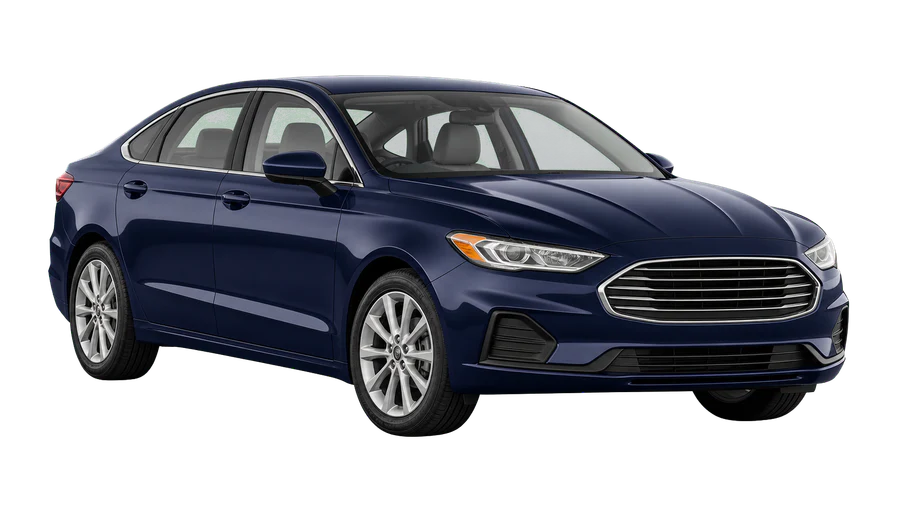
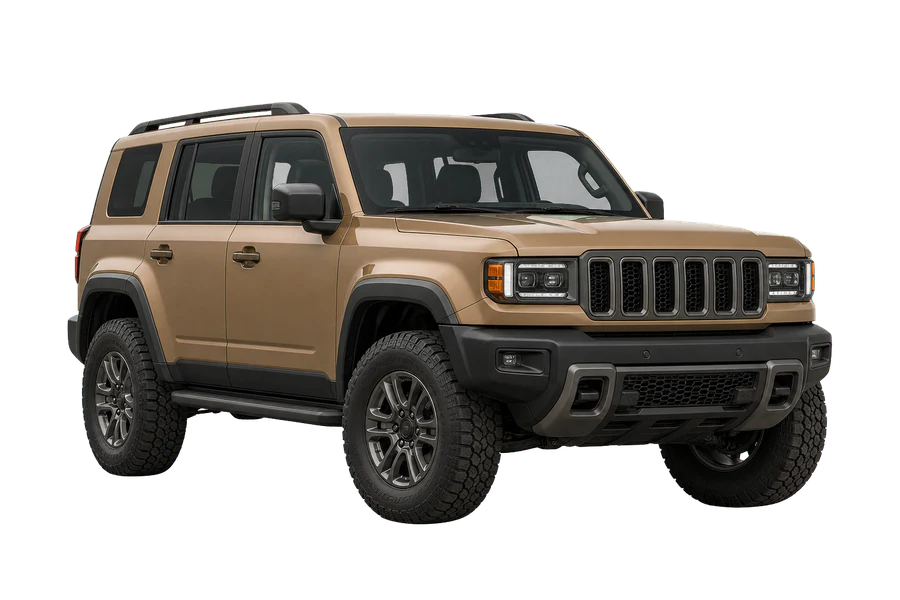
Head to head · 2002 Ford Explorer vs 2004 Jeep Grand Cherokee
2002 Explorer vs 2004 Grand Cherokee
The 2004 Jeep Grand Cherokee carries the lower complaint-signal index, 8.3 against 9.8, on 1,294 versus 3,293 reports. The records share 5 usable evidence dimensions, clearing the comparison eligibility gate; the verdict then applies the 15 percent rule to the relative index gap.
The verdict · shared-evidence rule · Methodology
One file is quieter
The 2004 Jeep Grand Cherokee has a complaint-signal index 16.6 percent lower than the 2002 Ford Explorer, on files of 1,294 and 3,293 reports. Both records clear the eligibility gate with 5 shared usable dimensions.
Open the 2004 recordA comparison requires at least two shared usable evidence dimensions. For eligible pairs, the verdict applies a 15 percent threshold to the relative gap between the two complaint-signal indexes. It is not a mechanical failure rate or a complete reliability measure. Metrics below a sample gate show no value rather than an estimate.
Component groups · share of each record
Where each file concentrates
Bars use a 0 to 50 percent share scale. Shares are of each record's own classified reports, so the smaller file's percentages sit on fewer reports. A zero bar means the group does not appear in that record's published distribution.
From the records · loudest cluster on each file
What owners report most
Reports describe harsh shifting, slipping, or shuddering
Reports describe airbag warning or deployment concerns
Cluster summaries paraphrase recurring symptoms reported to NHTSA. They are aggregate descriptions, not individual verbatim reports.
731 published model-years · free · no login
Open a model-year record
Browse NHTSA complaint-signal records with visible sample sizes, intervals, and limitations. The current data snapshot is dated 2026-07-19.